
Films for people who romanticize everyday life
The beauty of ordinary days
Lately, I’ve been drawn to films where almost nothing happens. I notice myself relaxing into their rhythm. They remove the sense that something bigger needs to happen, and I stop waiting for a turning point. The simple passing of time starts to feel complete on its own.
Someone goes to work. Walks home. Stops for food. The same streets, the same gestures, repeated with small variations. The day passing becomes enough.
A conversation goes on without really leading anywhere. An afternoon passes with nothing in particular happening. You stay with a routine longer than expected. Gradually, after a while, these moments begin to feel important.
By the end, it feels like you’ve simply spent time with them. A few days, a few routines. Small things that start to feel familliar.
Paterson directed by Jim Jarmusch
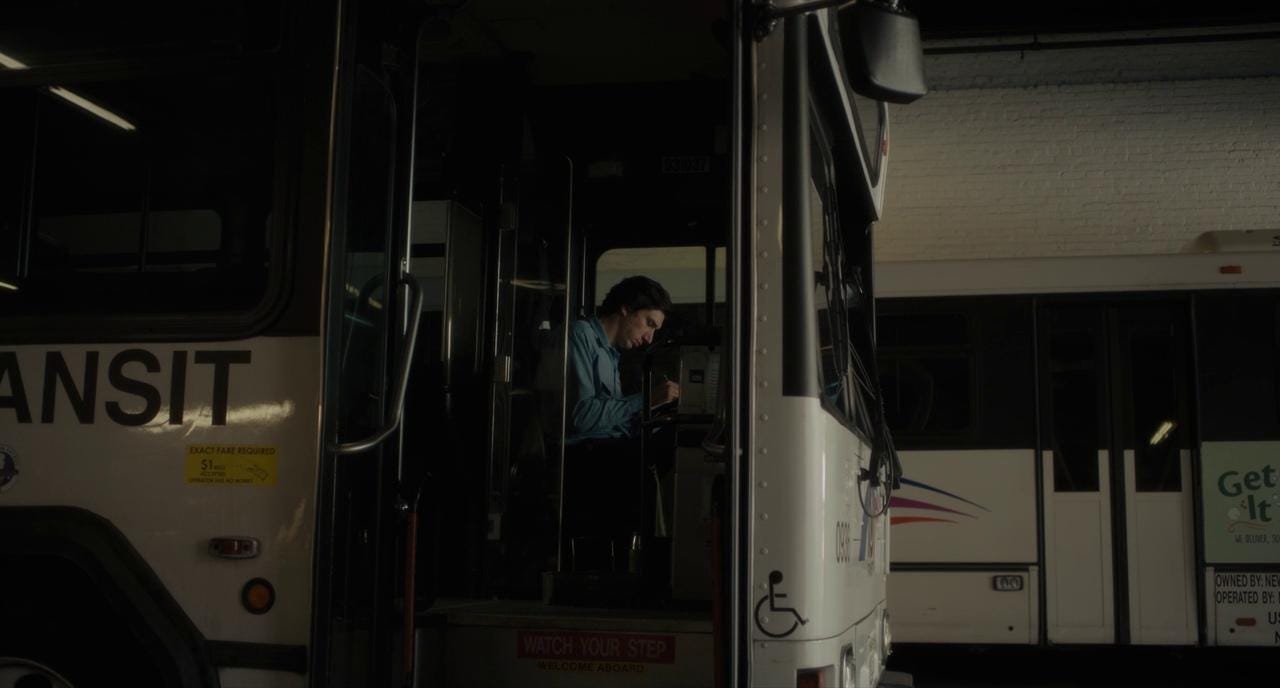
Paterson might be one of the purest versions of this feeling. The film follows a bus driver through a week that barely changes. The same wake-up. The same walk. The same route. Conversations in Paterson don’t function like traditional “story” dialogue.
They don’t set up conflicts, reveal plot points, or move him toward a goal. They just exist for a moment and then pass. Two passengers talking about twins. Someone mentioning a personal detail. A brief exchange at the bar. None of it changes what happens next.
And that matters because it shifts what you pay attention to. You stop listening for clues about where the story is going. You start listening to tone, rhythm, the way people speak, the feeling of a day passing by. The film removes the idea that every interaction needs to lead somewhere. Conversations are just part of the texture of his routine.
Paterson does not make everyday life feel special by adding drama or by stylizing it heavily.
There’s no big speech about appreciating life. No sudden event that “reveals” the beauty of routine. The film just keeps returning to the same things. The bar. Laura’s projects at home. The bus route.
But because you see them again and again, they start to carry memory. The bar is not just a bar anymore, it’s his bar. Even the notebook starts to feel fragile because you’ve spent time with it. It’s familiarity turning into attachment. And it feels held, almost protected, in how gently the film treats these routines. It lets them exist as something valuable in themselves.
So by the end, nothing has really changed externally. Same life, same structure. But you’re no longer waiting for something else to happen.
The routine itself has become the thing you care about.
—
Adam Driver plays Paterson like a man who’s made peace with the idea that most of life happens in the margins. There is a humility to his performance that feels radical, a softness you rarely witness given his presence. Driver has this way of letting emotions drift through him like weather: a bit of amusement here, a delayed heartbreak there, all in subtlety, all anchored in a steady monk-like calm.
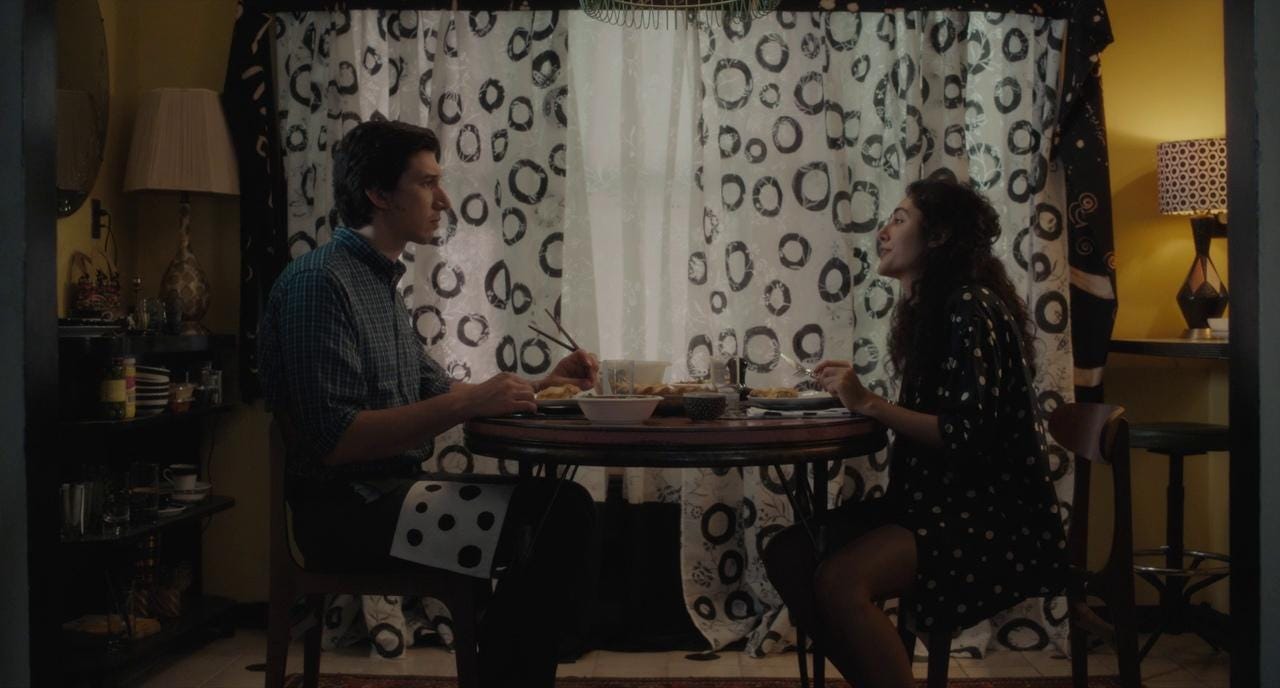
Golshifteh Farahani is the film’s heartbeat. She plays Laura with such open, effervescent sincerity that it never tips into quirkiness. Her optimism could have easily felt manic in another actor’s hands, but Farahani grounds it in genuine warmth.
She makes creativity look like a spiritual practice, as if every curtain she paints or cupcake she decorates is her way of keeping the world bright. The beauty is that she never overshadows Driver. If anything, she animates him. Her presence gives him something to respond to, like a slow-burning flame meeting its own source of oxygen.
Together they create one of cinema’s most convincing relationships. No grand declarations, no drama. Just two people sharing a life built from small rituals, small joys.
April Story directed by Shunji Iwai
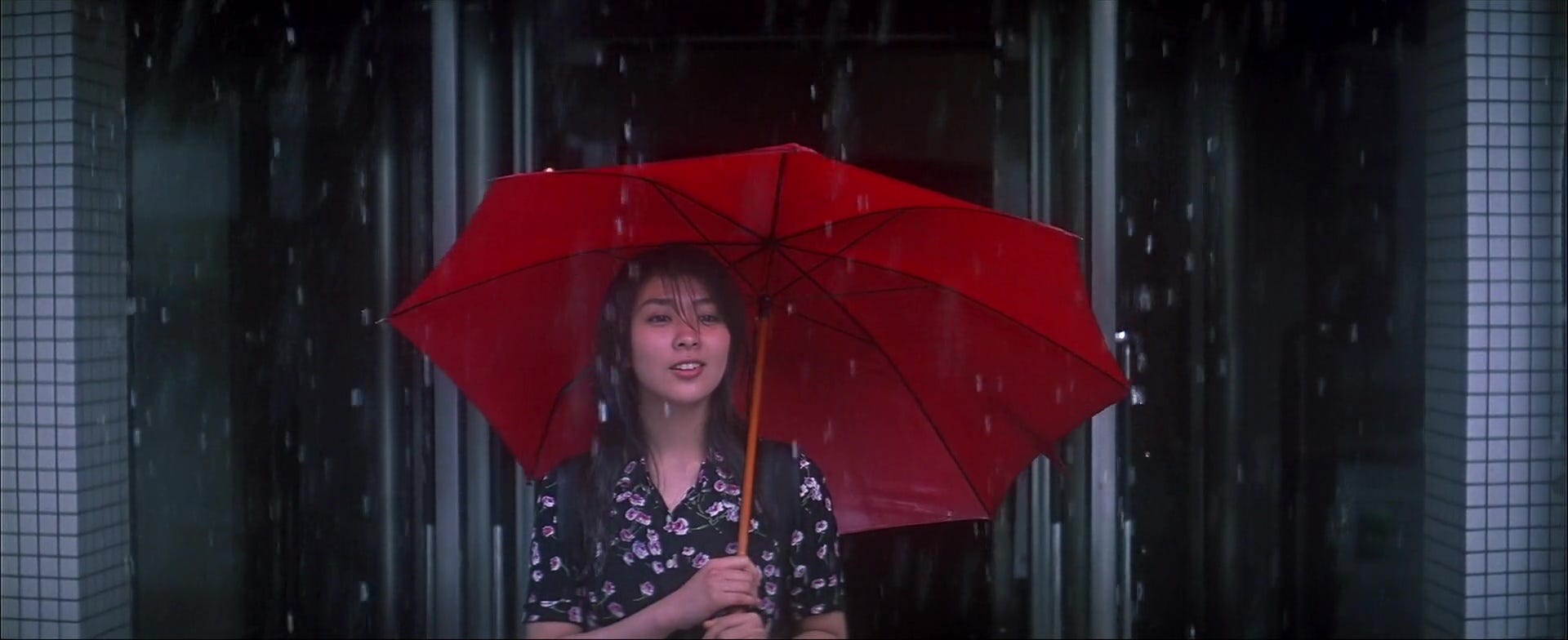
April Story feels like the beginning of a life before it fully takes shape. A young women moves to Tokyo for university. She settles into a small apartment. Walks unfamiliar streets. Buys small things. Listens more than she speaks.
Nothing is emphasized. The film just follows her as she gets used to being somewhere new. There’s something very precise in how it observes first moments. The way she hesitates before asking a question. The awkwardness of meeting classmates. The small relief of recognizing a street. Even the weather seems to matter. Wind, rain, sunlight… They shape how she moves through the day.
Most films would push this toward a turning point. A friendship or a romance, a revelation. April Story stays earlier than that. It lingers in the uncertainty, in the space where nothing is decided yet.
And gradually, those small gestures start to carry emotion. A visit to a bookstore. A short conversation that barely develops. The way she watches people before stepping closer. These moments don’t lead anywhere dramatic, but they begin to define her presence.
The film romanticizes everyday life by focusing on beginnings. Not big ones, just the start of routines forming. You watch someone slowly occupy a space. A life assembling itself in a small, tentative movements.
By the end, nothing major has happened. But you feel like you understand her. Not through events, but through how she listens, pauses. The film finds meaning in that fragile period when life is still uncertain, and lets it feel complete on its own.
—
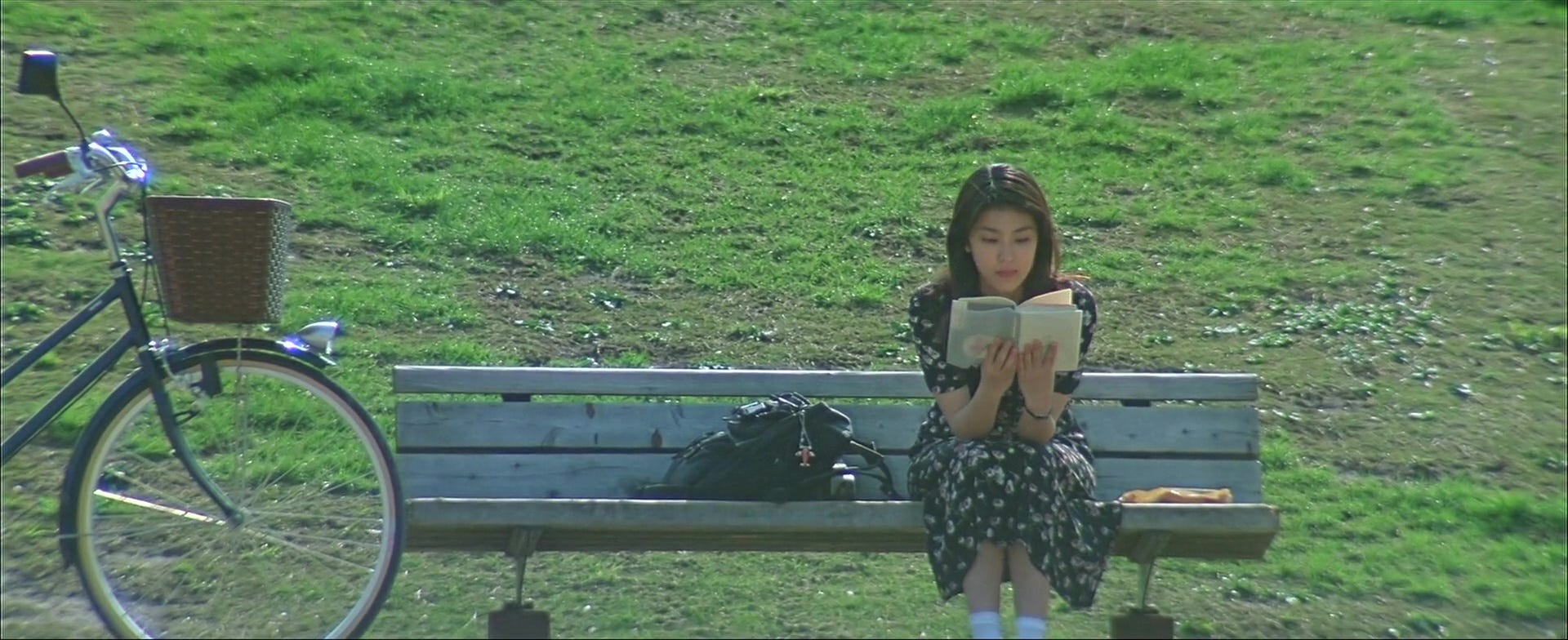
What I like is how April Story romanticizes hesitation. She’s not confident, not expressive. She just… arrives, observes, adjusts, and the film treats that uncertainty as something gentle rather than something to overcome.
It also avoid the usual “coming of age” beats. Here, there’s no dramatic transformation, no big speech. At the end, she has not changed much. She’s just slightly more comfortable inhabiting her own days.
I’m not promising you a story with that one, but a feeling.
Our Little Sister directed by Hirokazu Kore-eda
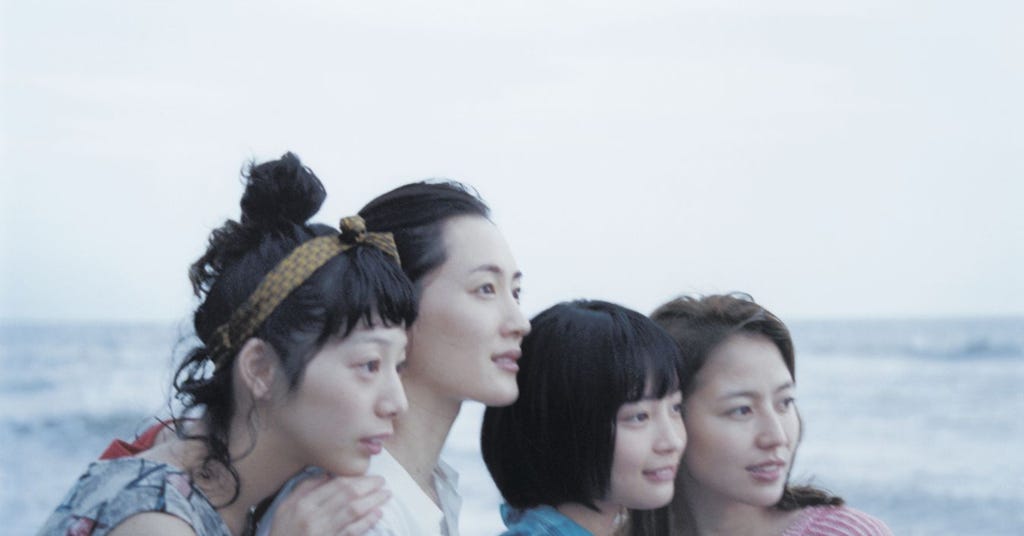
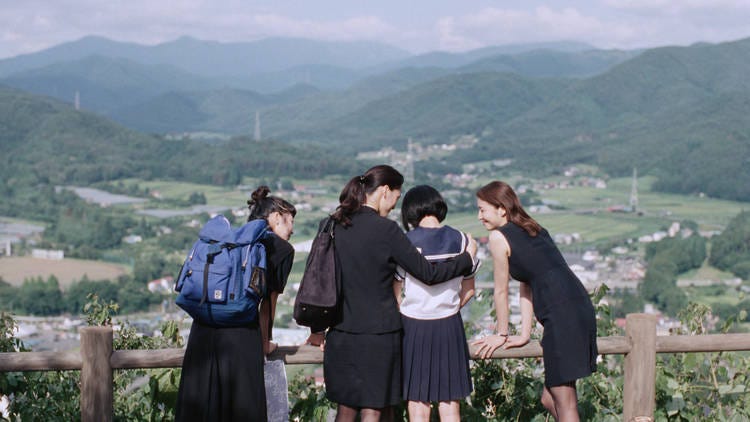
Our Little Sister unfolds through small habits rather than big events. Three sisters invite their younger half-sister to live with them. From there, the film just follows how they begin sharing a life.
Meals, walks, errands, conversations. Nothing dramatic defines their bond. It forms slowly, through repetition. Cooking together, cycling to the beach. Sitting around a table with nothing urgent to say.
What’s striking is how Kore-eda writes these women. No one is reduced to a single trait. They interrupt each other, tease, withdraw, care in a different ways. Their personalities emerge through how they move around the house, how they speak, how they share space.
Even emotions arrive gently. A memory of their father. A small moment of jealousy. An apology. These things settle into the rhythm of daily life.
The house itself starts to feel important. The hallway, the kitchen, the garden. Familiar places that hold their routines. The film keeps returning to them until they carry a sense of belonging.
Like the other films in this theme, nothing major really happens. But by the end, you feel the weight of time spent together. Their relationship has just grown.
Kore-eda romanticizes everyday life by showing how family forms through repetition, and just shared days.
—
While the setup of the film is dramatic — their father dies. In a lot of films (looking at your Sentimental Value) that kind of premise becomes the engine. Old resentments explode. Big confrontations. Emotional breakdowns. The story keeps returning to the traumas as the main driver.
But in Our Little Sister, Kore-eda does not keep pushing the drama. The wounds are there, you feel them, but the bond does not form through big reconciliations but through living together. Cooking, walking to school. Sharing plum wine. Talking about nothing in particular. Even when the past comes up, it’s often brief, almost understated, then the day continues.
—
What I personally like is how Kore-eda lets affection appear sideways. No big bonding scene. Instead, you get small calibrations, like, who cooks, who listens, who discreetly watches Suzu to see if she’s settling in.
It also helps that the sisters are not idealized. They can be distant, selfish, distracted by their own lives. That’s what makes the warmth feel earned. Care appears in fragments like a question asked at the right moment. A small decision to include her. Sitting next to her without saying much.
This film feels like a story about a life that has reorganized itself around something new.
Perfect Days directed by Wim Wenders
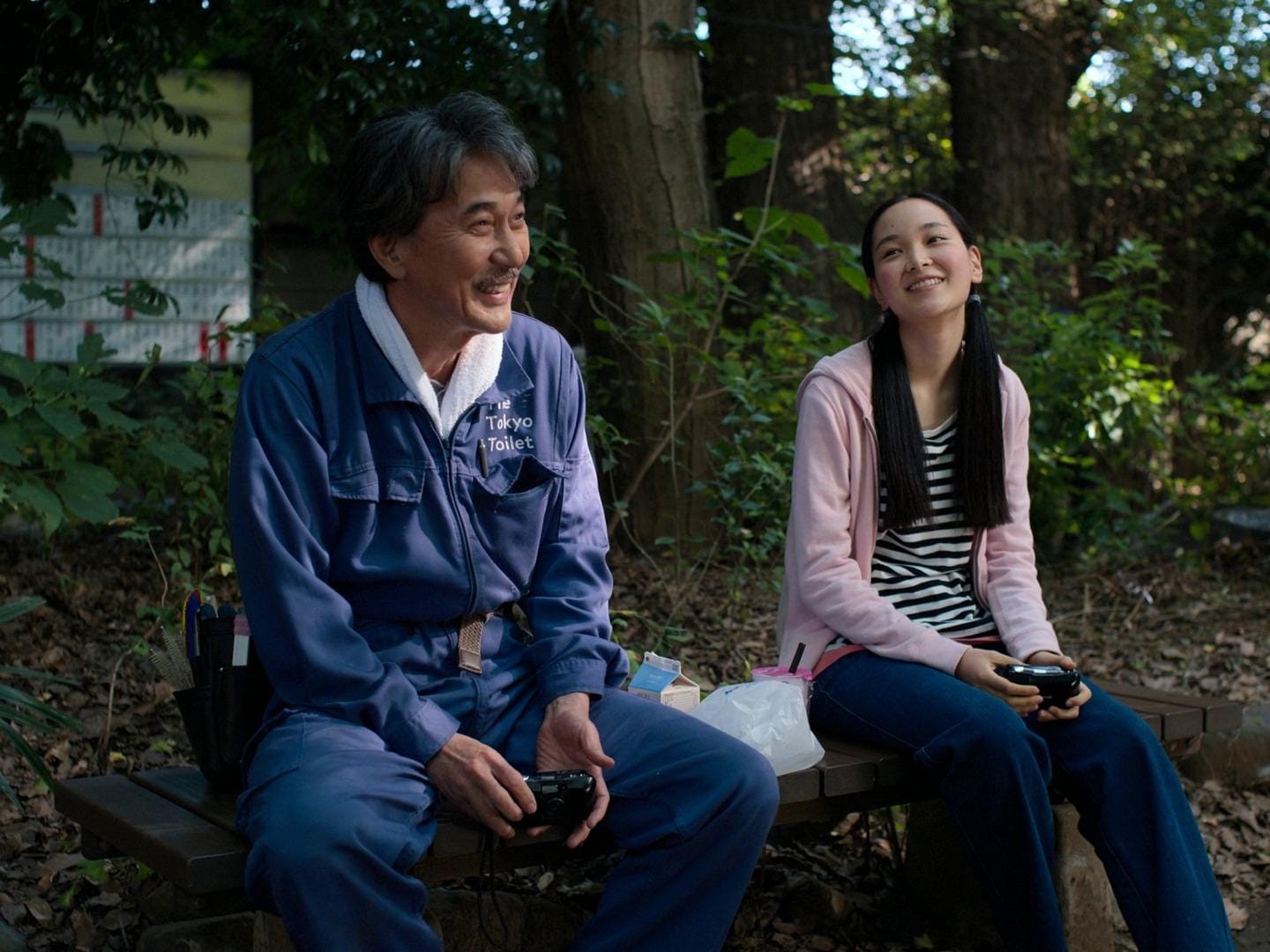
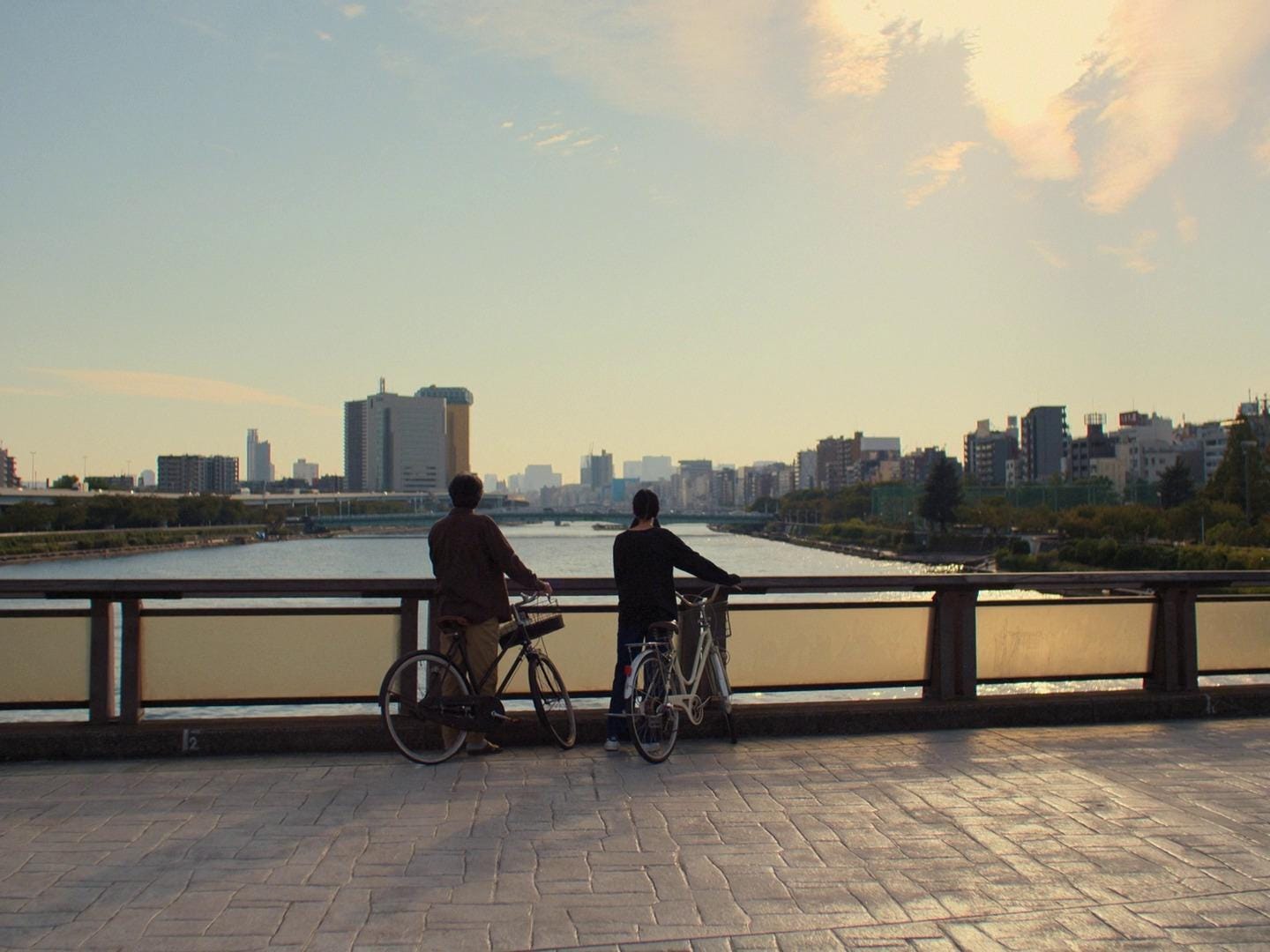
Perfect Days stays almost entirely inside repetition. A man wakes up, folds his bedding, water his plants, goes to work, listens to music, eats, reads, sleeps. The pattern repeats with small variations.
And really, the film does not try to expand beyond that. It observes how he moves through these rituals. Opening a window. Choosing a cassette. Looking at trees. Even pauses seem important. Nothing is rushed, nothing asks to be more than it is.
Gradually, the repetition stops feeling minimal and it starts to feel rich. The same lunch spot carries familiarity, the same streets begin to feel comforting. You start noticing how much attention he gives to small things.
Wenders romanticizes everyday life through presence. By showing how deeply someone can inhabit it. Each gestures feels chosen, not automatic, like he’s shaping his days through attention.
And then there’s the performance. Kōji Yakusho plays him with no explanation, he rarely speaks, yet you feel a full interior life. Small smiles, a look held a second longer, the way he listens to music. Everything is contained, but never empty.
—
what I like the most is how the film is committed it is to routine without trying to justify it. The film will not ask you to wonder why he lives this way. No big backstory, no reveal that explains everything.
At first I was trying to look for meaning behind everything. How he wakes up. The music, the lunch, the light through trees, but after a while you understand that the meaning comes from the rhythm itself.
Also, it never turns routine into a lesson. It just shows a life that’s small and strucutred, and full. And somehow, that’s more than enough to carry an entire film.
Only Yesterday directed by Isao Takahata
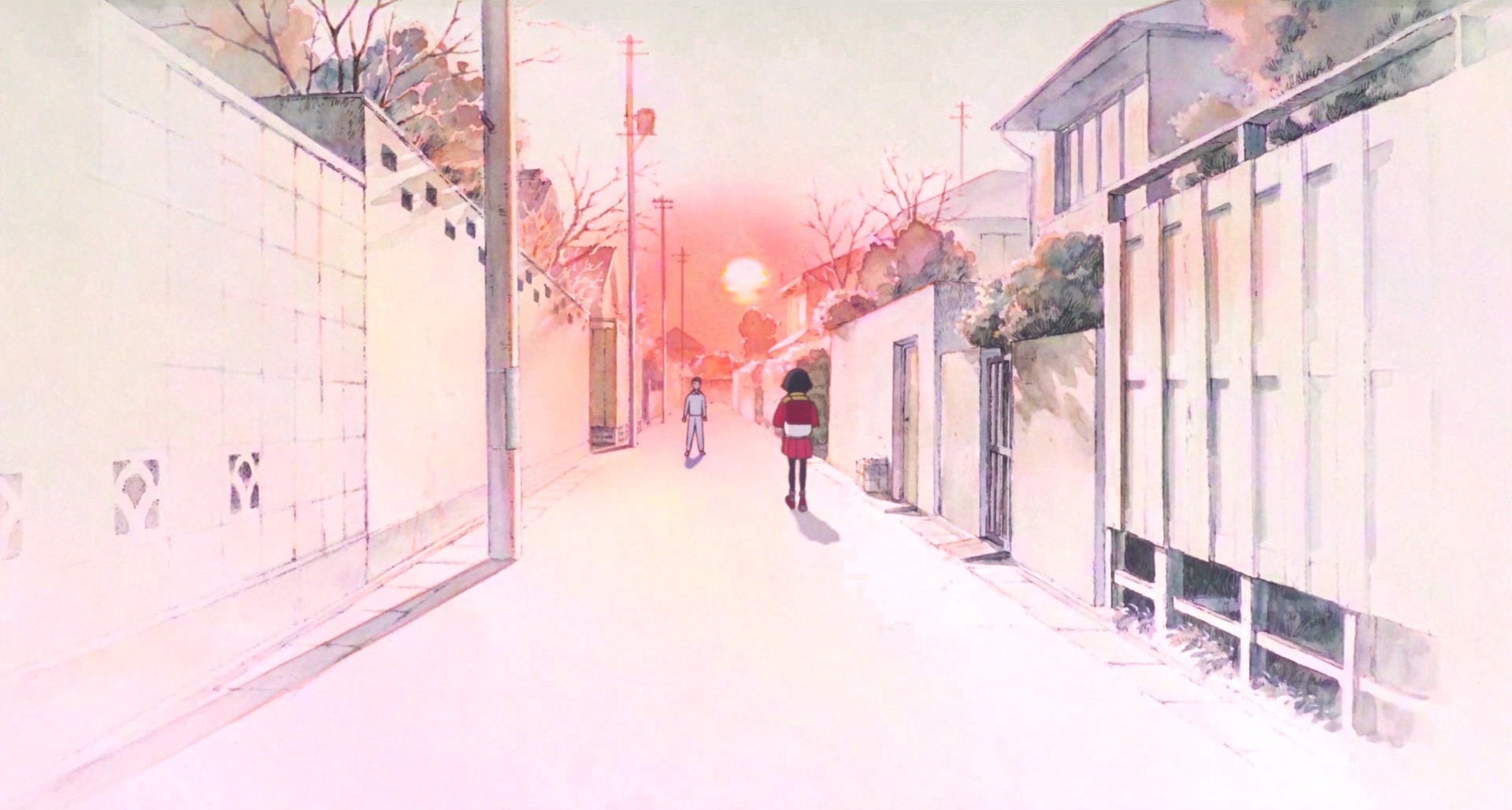
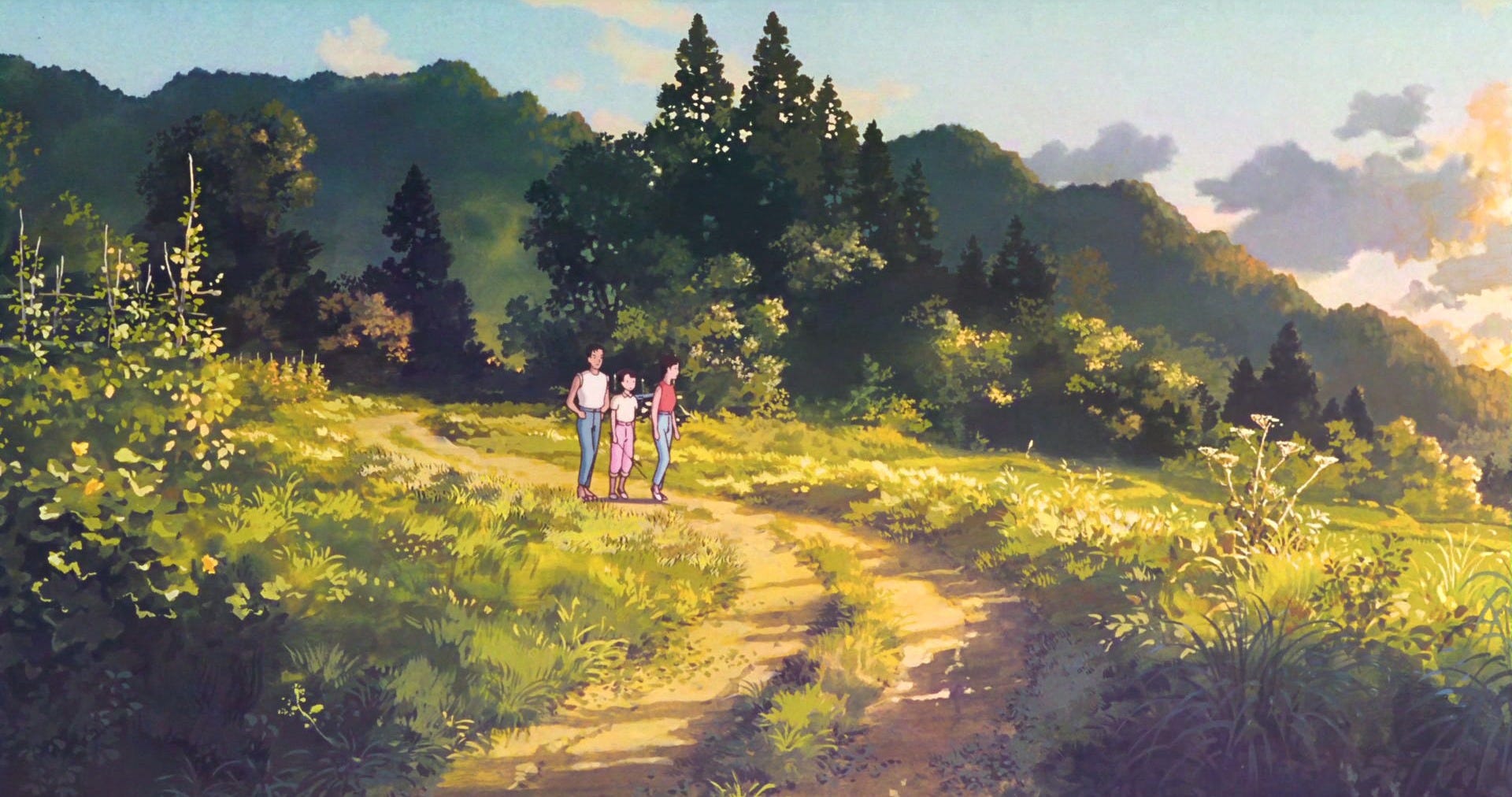
Only yesterday is such a beautiful animation film, and a beautiful fit in this theme. It’s one of those quieter Studio Ghibli films that people don’t know about, even though it might be one of the most grounded things they ever made.
—
The film moves between present days in the countryside and memories from childhood, but everything stays rooted in small, ordinary moments. A train ride. Working the fields. Conversations during meals. Nothing framed as decisive.
The memories, they surface while she’s doing everyday things such as picking fruits, walking. Listening to someone speak. The past drifts in, like something still attached to the present.
What’s beautiful is how the film treats reflection as part of daily life. She’s just spending time somewhere new, not particularly searching for answers, and her thoughts begin to follow their own path. Childhood insecurities, small embarrassments, things that never fully left her.
The film romanticizes everyday life by layering it with memory. The present is filled with everything she carries with her. Even simple moments start to feel meaningful because they echo something earlier.
And like the other films in this theme, nothing really major really happens. By the end, it feels less like she’s changed and more like she’s settles into herself a little differently.
It’s a very quiet film, easy to ooverlook when thinking about Studio Ghibli, but it might be one of their most human.
—
What I love about Only Yesterday is how it treats memory as something ordinary. Just small things that stayed. Like a pineapple at the table, a math problem. the awkwardness of school. Tiny moments that should not matter that much, and yet they do.
And the film never isolates those memories. They appear while she’s doing simple things in the present. It feels very true to how thought actually come back.
I also like how gentle the film is with her. She’s not portrayed as this woman having a crisis, nope, she’s just thinking about her life, noticing patterns, realizing what stayed with her. And the countryside gives her space to hear herself more clearly.
It’s a visually very soft. Present feels grounded, tactile. And childhood memories feel lighter, slightly unfinished even? And that contrat makes the past feel like something fragile you’re carrying with you.
Closing words
These films let time pass. They stay with repetition, small gestures, familiar places. Someone walking, someone cooking.
And honestly, after a while, you stop waiting for something else. The routine itself becomes enough. And that’s what they leave you with. The sense that everyday life does not need to be elevated in order to feel meaningful.
I think the reason these films stay with me is that when I finish them, the next days feel slightly different. A walk feels longer. A conversation lingers a bit more. Small things matter a bit more.
I love them because yes, they romanticize everyday life, but they also taught me how to see it.
I hope you’ll watch them, and spend a little time with these lives.
And maybe enjoy them as much as I did.
I adore Perfect Days! Great list, I have a lot to check out!
Thank you for this post, haven’t seen all of these yet, so I’ll have to watch them…but this is the Naturalist type of cinema I’m drawn to these days as well and it’s a style that my film “Unclaimed” is as well. ❤️