
Cinematic Language & Performance
How actors bring emotional life to the screen
If the other pillars shape the world, performance is what makes the world feel alive.
Actors are the human anchor in a film. No matter how stylized the visuals or how complex the editing, we look to faces and bodies to understand what something means emotionally. A glance, a pause, a shift in posture; these can tell us a lot more than pages of dialogue.
That’s why performance feels like the visible soul of the film.
Even in the quietest scene, where nothing dramatic is happening in the plot, an actor’s presence can carry deep emotion. A held breath, tired eyes or a forced smile can reveal inner conflict that the script never spells out. We read these signals instinctively, the way we do in real life.
Film acting is different from stage acting because the camera can get so close. Tiny expressions matter. A flicker of doubt or a micro-smile can change how we understand a moment. The camera turns subtle human behavior into storytelling.
Performance is also physical. How someone moves through a space: slowly, with confidence, awkwardly, nervously, tells us who they are. The way they sit, stand or avoid eye contact builds character.
If dialogue tells us what a character says.
Performance shows us what they feel, hide or struggle to express.
And when all the other pillars support it —the framing, the lighting, the sound, the editing— a performance can become unforgettable, because it feel human and … True

Core Concept of Performance
Performance in film is how actors use their face, body, voice and stillness to bring a character to life.
Delivering lines is cool, even super cool but it’s not only about coolness. In fact, some of most powerful moments in movies happen when no one is speaking. A look held a little too long, a hesitation before answering. A smile that does not quite reach the eyes. These details tell us what a character is feeling beneath the surface.
Film acting works on a very small scale because the camera can get so close. On stage, gestures and expressions need to be big enough for a whole theater to see. On film, a tiny shift in the eyes can be enough. The camera turns subtle human behavior into emotional storytelling.
Performance also lives in the body. How a character walks into a room then how they sit and how they hold their shoulders. All of this communicates personality and emotional state. Someone who moves with ease feels different from someone who seems tense or closed off.
Then there’s the voice. Not just the words but how they are spoken. A flat tone can hide pain but a trembling voice can reveal fear. A pause in the middle of a sentence can say more than finishing it.
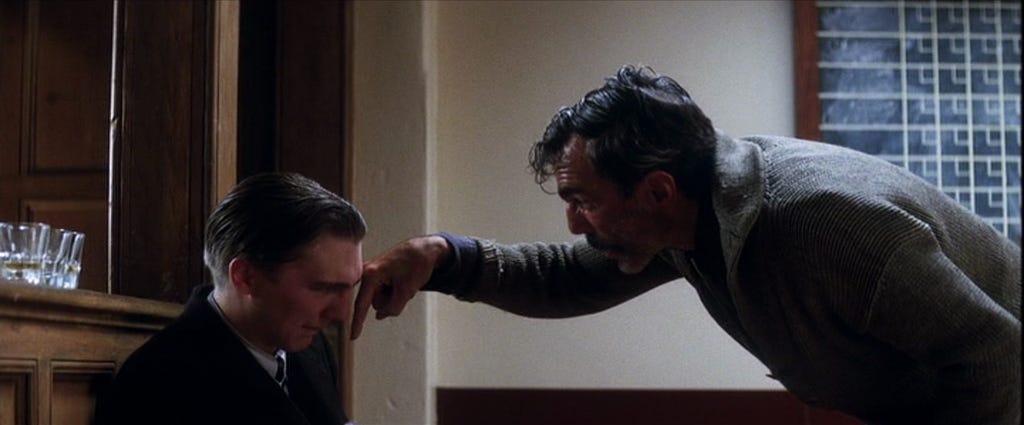
And finally, there’s stillness, and I use this word a lot in my essays because sometimes, the most expressive choice an actor can make is to do very little. An unmoving face can draw us in and make us search for meaning, creating a powerful sense of inner life.
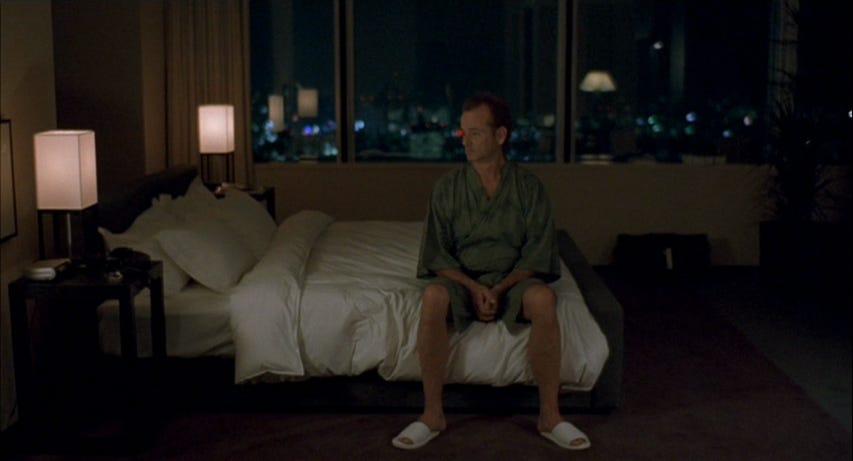
All of this combines to make a performance the most human pillar of cinematic language. It’s where our emotions connect, where we recognize ourselves and where the story becomes personal.
Why performance matters
Well, you see, performance is the main emotional entry point into a film, period.
No matter how impressive the visuals or how clever the editing, we look to human faces to understand what something means. We read expressions, we read the posture, we read tone of voice. It’s something we all do every day in real life, just by instinct, and movies tap directly into that ability.
When an actor’s performance feels honest, we start to believe in the character. We also feel what happen with them. Their fear becomes tense in our chest and their joy feels warm and light. Their heartbreak lingers.
Performance is what creates empathy.
It also adds layers that the script alone cannot provide. A line of dialogue might be simple but the way it’s delivered change its meaning completely. A character saying “I’m fine” can feel calm, sarcastic, defensive or completely broken depending on the performance.
Actors also carry emotional continuity across scenes. Even when the story jumps in time or space, a consistent performance helps us track the character’s inner journey. We follow changes in their behavior and energy.
And sometimes, performance can create meaning even when the film says very little. Like a silent reaction shot can hold more emotional truth than a dramatic speech.
That’s why performance matters so deeply. It is the bridge between the film and us, the human presence that turns image and sound but also the story into lived emotional experience.
How It Works in Practice
Great screen performance are built from small, precise choices that feel natural but carry emotional weight.
Facial expression
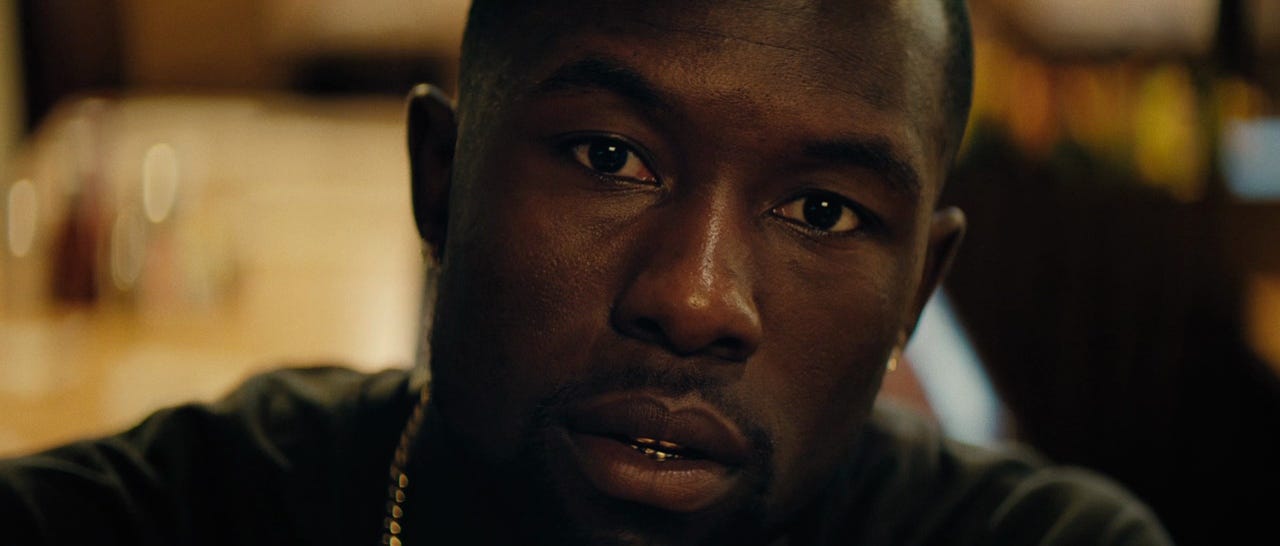
Film cameras can capture the tiniest changes in a face. A flicker in the eyes, a tightening of the jaw or a forced smile can reveal inner conflict without a word being spoken. Because we’re so used to reading faces in real life, we with instinct understand these signals.
Body language
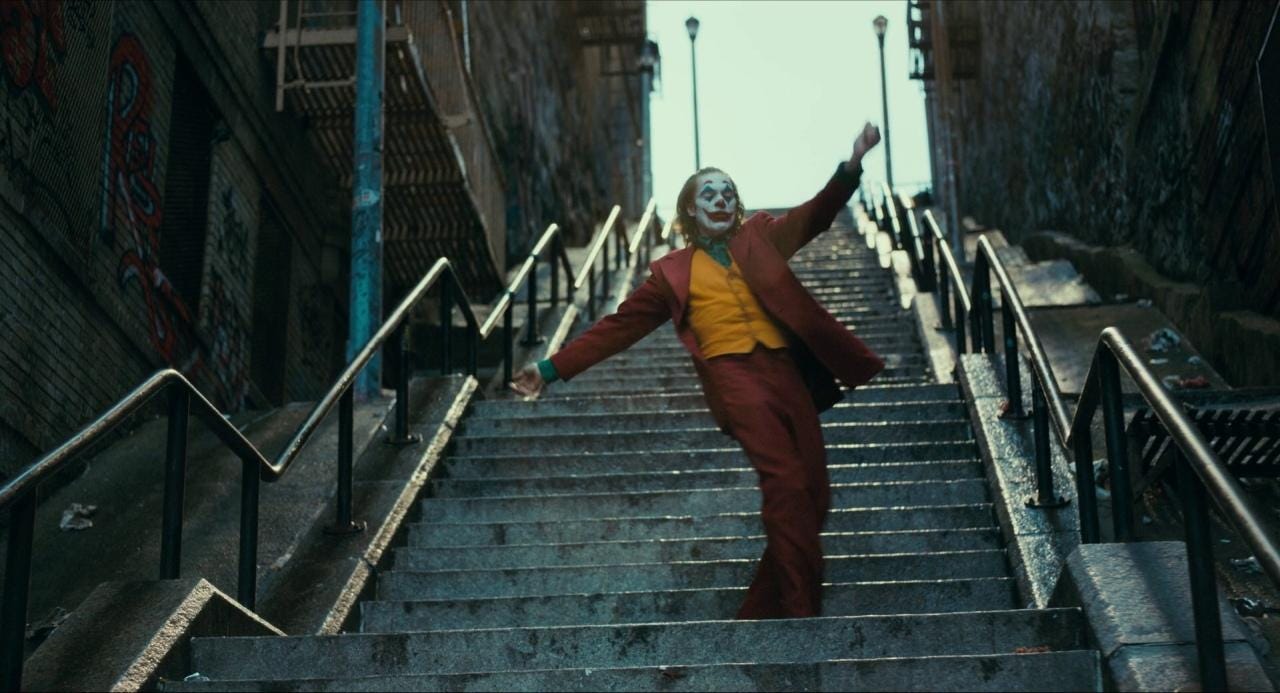
How a character holds themselves tells us who they are and how they feel. Slumped shulder can suggest defeat or exhaustion. Rigid posture can suggest tension or control. Open, relaxed movement can signal comfort or confidence. The body often expressed emotions the character is trying to hide.
Voice and delivery
It’s not what is said, it’s how it is said. A line spoken too quick can feel nervous or defensive. Slow, quiet speech can feel vulnerable or intimate. Changes in tone, rhythm or volume shape the emotional meaning of a dialogue.
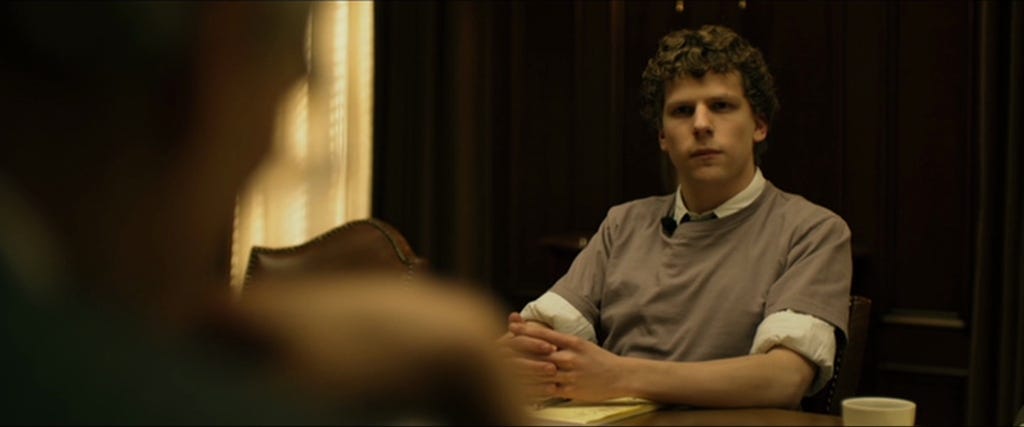
Stillness
Sometimes the most powerful acting choice is to do very little. When a character sits in silence or barely reacts, we lean in and start searching their face for meaning. Stillness can make a moment feel heavy, intimate and just overall very emotionally loaded.
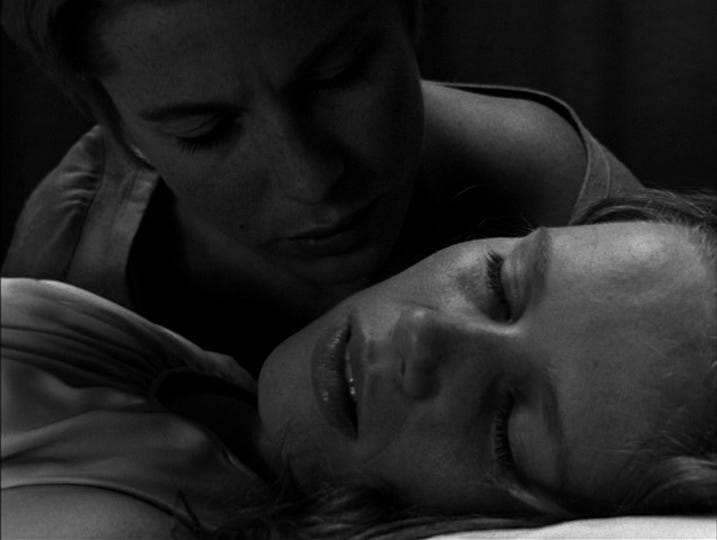
Reactions
Acting is a lot about listening. A reaction shot can be more powerful than the line that caused it. Watching how someone receives information, processed it or hides their feelings adds depth to the scene.
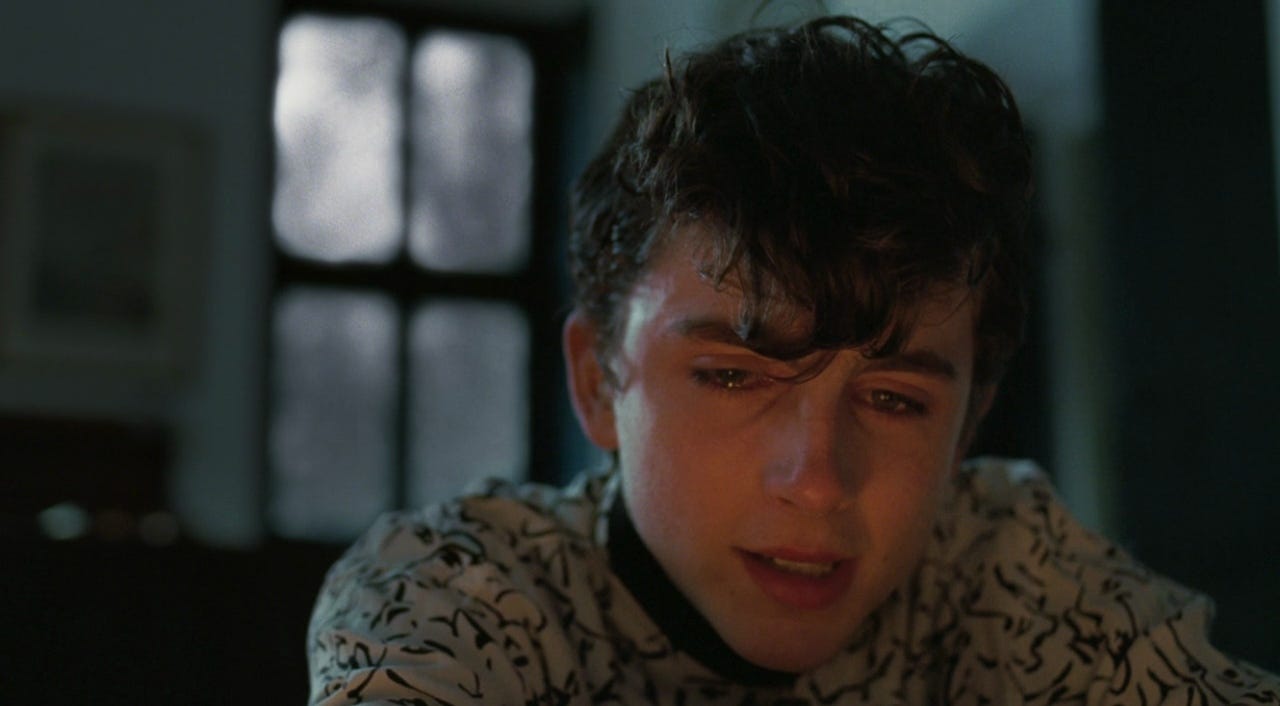
Chemistry between actors
Performance also lives in the space between people. The way actors look at each other, interrupt each other or hesitate around each other. It creates a sense of relationship. Chemistry makes connections feel real —whether it is love, rivalry, even resentment.
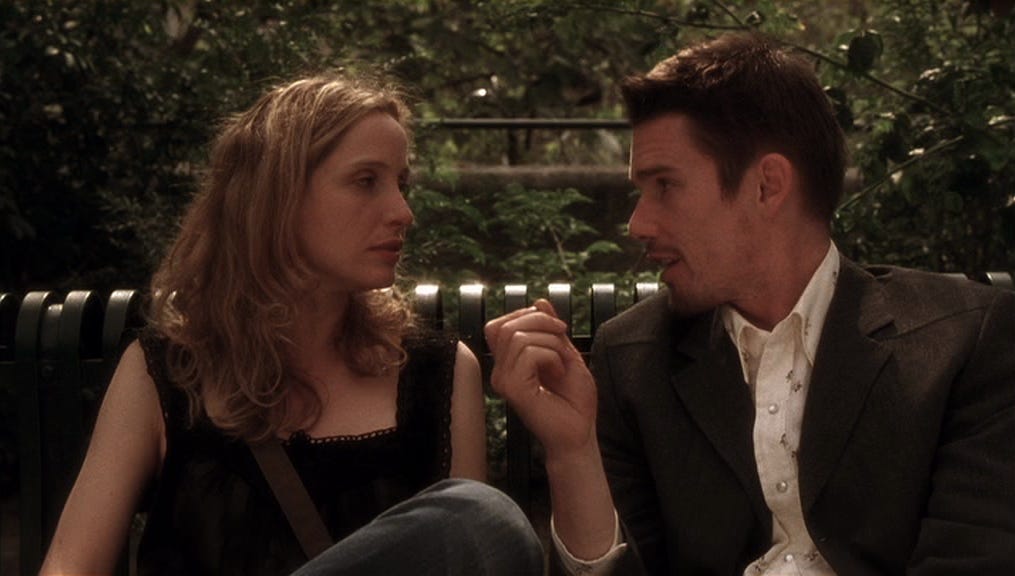
All of these elements work together to create that sense that a character has a inner life. We see what they do and we feel what they’re going through.
Film Examples
To understand how performance shapes our emotional experience, it helps to look at two films where the acting communicated inner life in a completely different ways.
Manchester by the Sea
In Manchester by the Sea, the performance is built on restraint. Casey Affleck’s character carries enormous grief but he rarely expressed it openly. His face often stays still, his voice flat, his posture slightly closed off. He avoids eye contact, keeps conversations short and seems emotionally numb on the surface.
But that stillness is full of feeling. Small shifts like a pause before answering, a tight jaw, eyes that look like they’re holding something back, might reveal the emotional weight he’s carrying. We sense the pain because he can barely allow it to show at all.
The performance asks us to lean in. We search his face and body for clues, and that effort pulls us closer emotionally. His inner life feels heavy and buried, which makes the rare moments when emotion breaks through feel devastating.
Here, performance shows emotion through withholding.
Black Swan
Black Swan takes the opposite path.
Natalie Portman’s performance is physical, intense and very unstable. Emotion does not stay hidden at all, you see it showing up in her body. Her shoulders tighten, her movements become rigid, her eyes widen with fear and obsession. As the character unravels, the performance becomes more frantic and expressive.
We see anxiety in her posture, perfectionism in her control and phycological breakdown in the way her body seems to turn against her. The performance is embodied. Emotion spills into gesture and breath.
You don’t have to search for her inner state, you’ll feel it through her physical transformation.
Here, performance shows emotion through release.
In Manchester by the Sea, emotion is buried beneath stillness.
In Black Swan, emotion breaks through the body.
Same medium. Same human tool: performance.
Two completely different ways of showing what a character feels inside.
Takeaway
Next time you watch a movie, spend a moment just watching the actors -not what they say, but how they are.
Look at their face when they’re listening, not just when they’re speaking. Notice their posture. Do they seem relaxed, closed off, open? Pay attention to pause, hesitations and moments when they do not react the way you expect.
You do not need to know acting theory to see this, capeesh? You already read people’s emotions everyday in real life. Film simply puts those human signals under a microscope.
Some performances draw you in by doing very little, making your search for hidden emotion. Others hit you with visible intensity, using the body and voice to express feeling that' can’t be contained. Both approaches can be powerful… They just work in different ways.
Because in the end, performance is where everything becomes human.
It’s the human anchor that grounds the film’s world.
It’s the visible soul that lets us connect, empathize and feel.
And that’s the 5th and last pillar of cinematic language. <sadface>
Now you have all five pillars out:
World with Mise en scène
Eye with Cinematography
Time with Editing
Atmosphere with sound
Human with performance
All guides are not behind a paywall but if you want to support this newsletter you can “Buy me a coffee”
for me the performance is the first thing I started noticing as i "became a cinephile", as indeed its the most human aspect of cinema. loved the series, and really curious about your next creations! <3
Congratulations on putting together such a great body of work with these studies! I find it so remarkable the collection of ideas and films you remember the most intimate details about—it's truly a super power! Love your words here on intentional stillness contrasted with explosive expression.